

Economy
August 2026 Jobs Report: 162,000 Jobs, but No Recession Verdict
US payrolls rose by 162,000 in August 2026 while unemployment held at 4.1%. See what improved, what remains weak, and how to read the recession signals.
Newsroom
Source-aware explainers for financially curious readers.
US payrolls rose by 162,000 in August 2026 while unemployment held at 4.1%. See what improved, what remains weak, and how to read the recession signals.

Freddie Mac's September 3, 2026 mortgage-rate average rose to 6.71%. See what the weekly move changes in a sample payment and what the survey leaves out.

Find the September 2026 Social Security and SSI payment dates, see how birthdays affect the schedule, and plan monthly cash flow without double counting.

See how taxable 401(k) withdrawals can affect the federal tax calculation for Social Security, retirement cash flow, and required distributions.

See how Social Security turns a work record into a retirement estimate, why 35 years matter, and how zeros, later earnings, and claiming age change the result.

Calculate a 401(k) employer match, read common match formulas, and check vesting and payroll timing before changing your contribution rate.

Check an AI stock picker app's identity, registration claim, Form ADV, fees, performance record, and account permissions before starting a paid plan.

Learn how Treasury bill reinvestment works, when the auction cutoff applies, where maturity cash goes, and why a rollover does not lock the next rate.

Sort refinance closing costs from prepaids, lender credits, and rolled-in fees, then calculate the break-even date from comparable Loan Estimates.

See how extra car payments can change payoff time and interest, and check whether the lender applies the money to principal as expected.

Learn why a spot Bitcoin ETP share does not cost the same as one bitcoin, how NAV and premiums work, and what can cause tracking gaps.

Calculate a Treasury bill's auction price and maturity interest without confusing the discount rate, investment rate, face value, or term.

Combine a pension, Social Security, and portfolio withdrawals without starting every income source on the retirement date or counting survivor income twice.

Test an AI stock picker with timestamped picks, a fair benchmark, fees, drawdowns, and unchanged rules before trusting reviews or paying for a plan.

The SEC's Tricolor case shows how auto loans become asset-backed securities, why double-pledged collateral matters, and what car borrowers should check.

The SEC's proposed Regulation Crypto Assets would create offering exemptions and a safe harbor for certain crypto investment contracts. It does not immediately rewrite Bitcoin ETF rules.

The July 2026 Fed minutes show why an unchanged policy rate did not mean an unchanged outlook for Treasury yields, mortgages, CDs, or inflation.

A 401(k) loan can avoid an immediate withdrawal tax, but repayment rules, job changes, missed market returns, and plan restrictions can make the cost hard to see.

Waiting until 70 can raise a retirement benefit, but it also means funding more years without checks. Compare the monthly increase, break-even point, taxes, work, and Medicare timing.

Find current Treasury bill auction rates and compare the investment rate, discount price, maturity date, taxes, and reinvestment risk.

Compare certificate of deposit rates using APY, maturity dates, early withdrawal penalties, renewal terms, and deposit insurance instead of rate alone.

Estimate credit card payoff time and interest, test a fixed extra payment, and understand why your statement's minimum-payment estimate may differ.

Build a mortgage payment estimate from principal, interest, taxes, insurance, PMI, and HOA dues, then check it against the Loan Estimate.

Use a student loan repayment calculator to compare payoff time, interest, extra payments, and federal repayment options without hiding the assumptions.

Build a free debt payoff spreadsheet for balances, APRs, minimums, extra payments, and payoff progress without relying on a fragile template.

Use a rent vs buy calculator without mistaking a mortgage payment for the full cost of owning. Compare cash flow, upfront costs, equity, and time in the home.

Compare credit card hardship plans, nonprofit counseling, debt management, consolidation loans, and debt settlement before paying a relief company.

Build a joint retirement estimate with two Social Security records, different claiming ages, portfolio withdrawals, taxes, and a survivor-income check.

U.S. payrolls fell by 23,000 in July 2026, but unemployment also fell. Here is how to read the conflicting signals without calling a recession from one report.

Gold ETF flows turned positive in July 2026. See the regional data, what inflows can and cannot signal, and how flows differ from holdings and AUM.

Learn how overnight stock trading differs from regular hours, why quotes and spreads can change, and what to check before placing an extended-hours order.

Learn why gold price charts disagree, how spot and LBMA benchmark prices differ, and what to check before using a gold price per ounce or gram.

Learn what a mortgage rate history chart measures, why weekly averages differ from lender quotes, and how to turn a rate change into a payment comparison.

Convert U.S. dollar buying power from 1913 through 2025 with annual CPI-U data, see the formula, and compare historical results with future scenarios.

Compare a traditional 401(k) with a Roth IRA using 2026 contribution limits, income rules, employer matching, investment choices, and withdrawal treatment.

Compare Treasury bills, notes, and bonds by maturity, interest payments, taxes, liquidity, reinvestment risk, and sensitivity to changing rates.

The Fed held its target rate at 3.5% to 3.75%. Here is how that decision can reach mortgage rates, CDs, Treasury bills, credit cards, and inflation.

Estimate a car loan payment, then compare APR, loan term, amount financed, interest, add-ons, and the full cost instead of shopping by payment alone.

Learn what spot Bitcoin ETF inflows and outflows measure, how they differ from trading volume and assets, and why one flow number is not a price signal.

Convert a silver price per troy ounce into a price per gram, adjust for purity, and compare melt value with an actual dealer quote.

Convert a gold price per troy ounce into a price per gram, adjust for purity, and separate melt value from a dealer's actual quote.

A growing AI ETF label does not guarantee diversified AI exposure. Compare fees, holdings, concentration, turnover, and benchmark overlap first.

Massive AI investment can support future growth while pressuring cash flow and credit quality. These are the balance-sheet questions investors should ask.

Calculate gain on a home sale, check the $250,000 or $500,000 exclusion tests, and see which improvements and selling costs may affect the result.
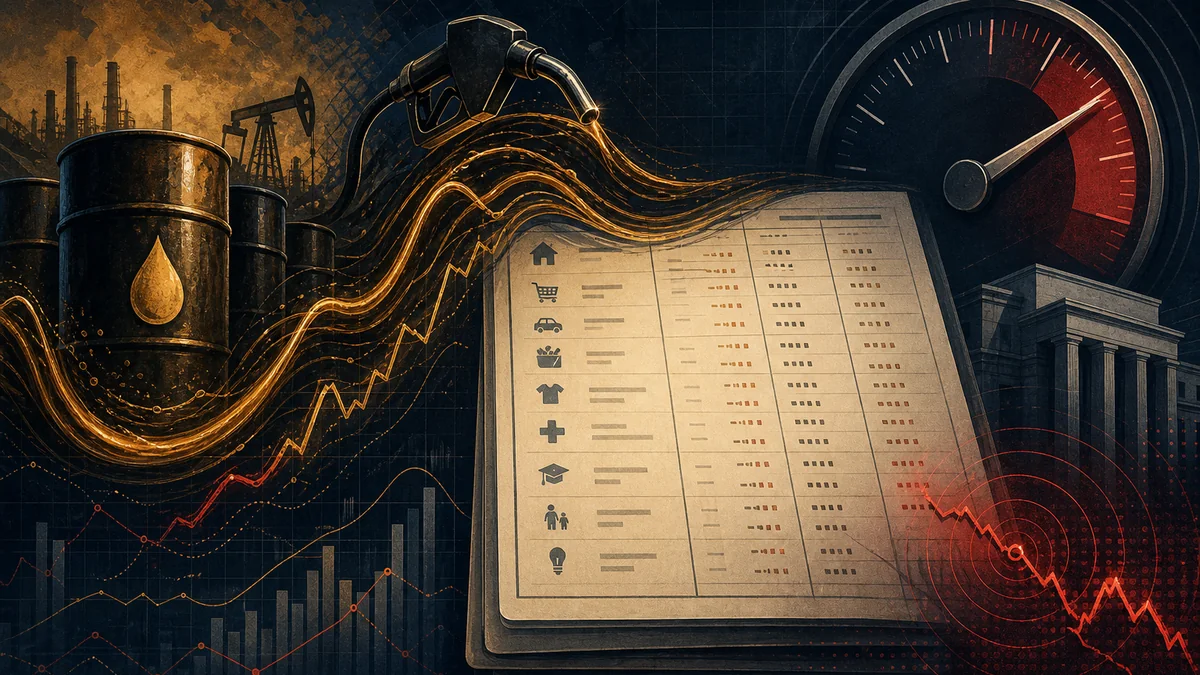
Higher oil prices can reach household budgets through gasoline, travel, deliveries, inflation, and interest rates. Here is a practical way to stress-test the impact.

Estimate an emergency fund from essential monthly expenses, job risk, insurance gaps, and the time it may take to replace lost income.

See the 2026 federal capital gains brackets, learn how cost basis and holding period change the tax calculation, and understand the home-sale exclusion.

Learn how recessions are identified, why two quarters of falling GDP are only a shortcut, and which economic indicators deserve a closer look.

Estimate refinance monthly savings, divide closing costs by that amount, and check whether the break-even date comes before you expect to move.

The 2026 401(k) employee limit is $24,500. See the catch-up limits, overall plan cap, and how employer matching fits into the numbers.
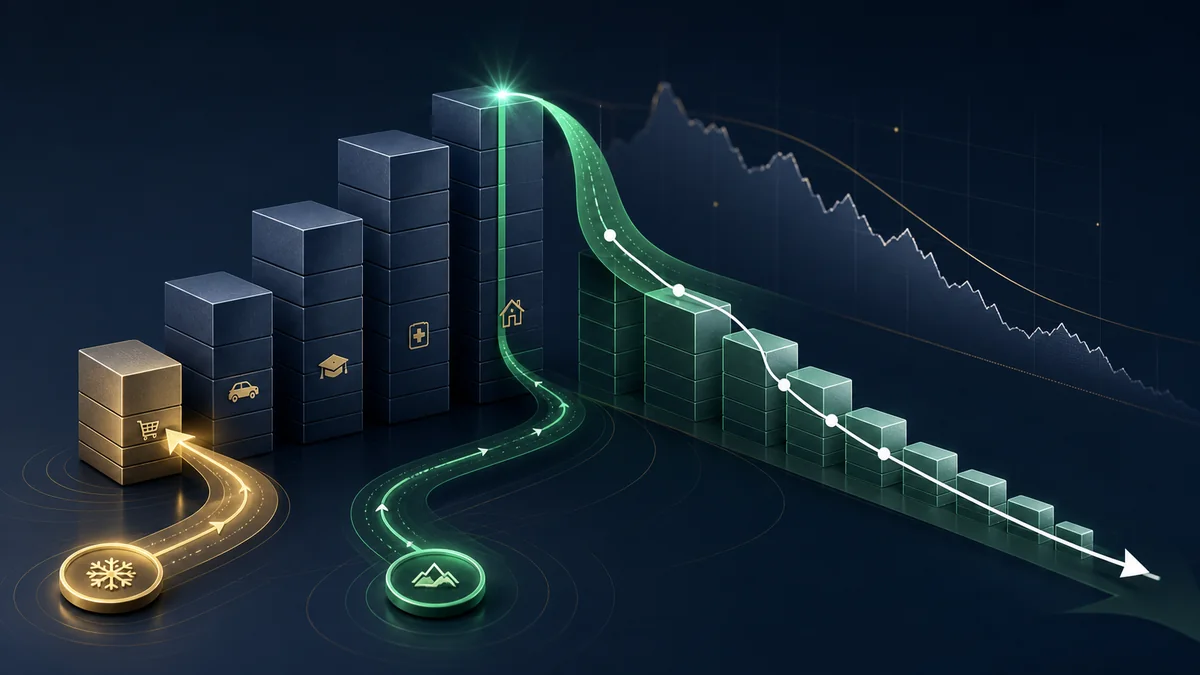
Compare debt avalanche and debt snowball methods, see how extra payments affect payoff time, and choose a practical repayment order.

Use a mortgage extra payment calculator to estimate months saved, interest reduced, and the tradeoffs to check before paying principal early.
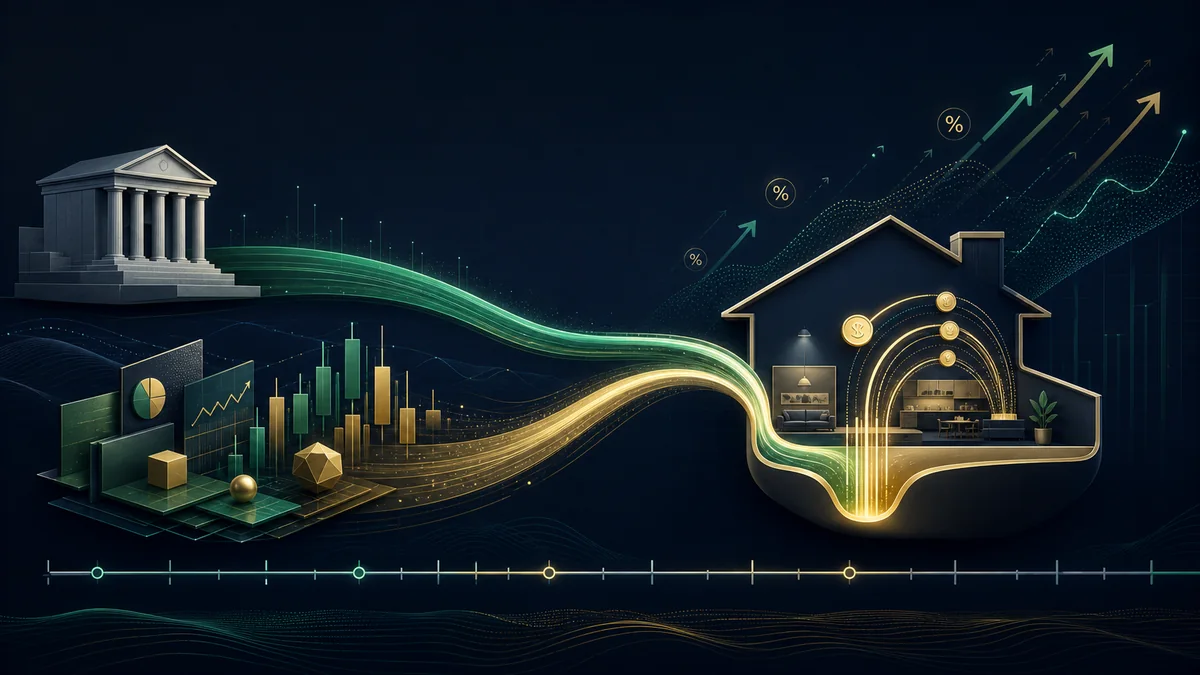
Combine an estimated Social Security benefit with portfolio withdrawals without double counting income or ignoring inflation and taxes.
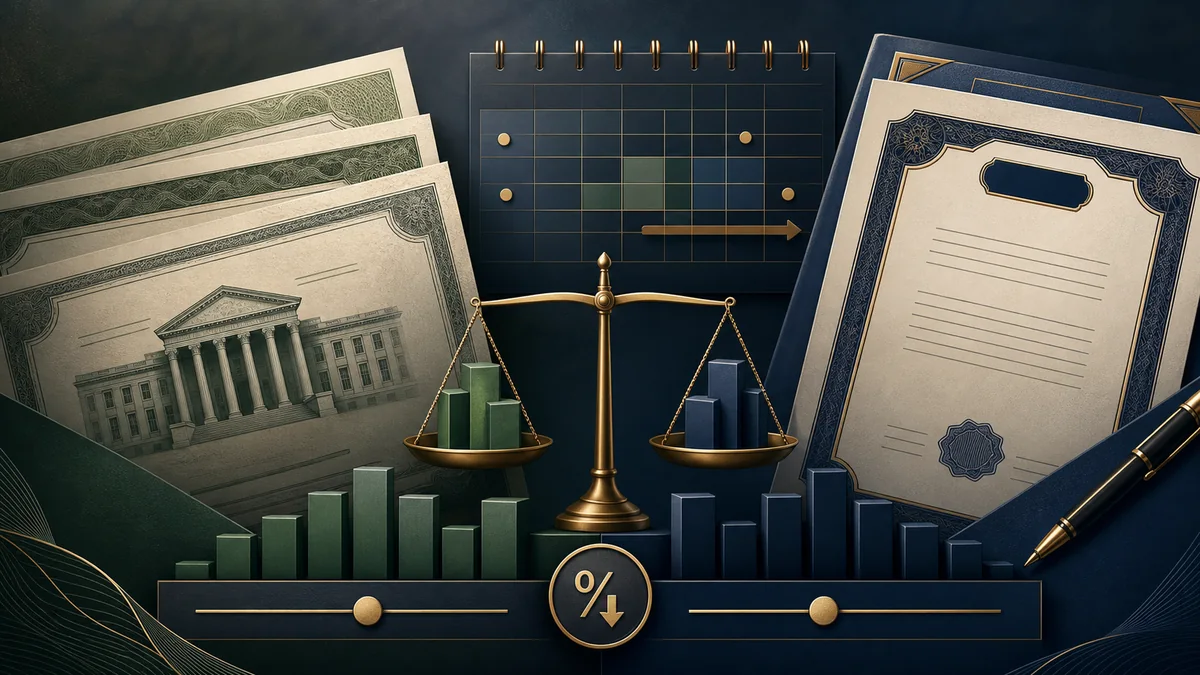
Compare Treasury bills and certificates of deposit using after-tax yield, liquidity, insurance, maturity, and reinvestment risk.

Allbridge paused its cross-chain stablecoin protocol after a reported $1.65 million flash-loan exploit. Here is what that means for bridge users and liquidity providers.
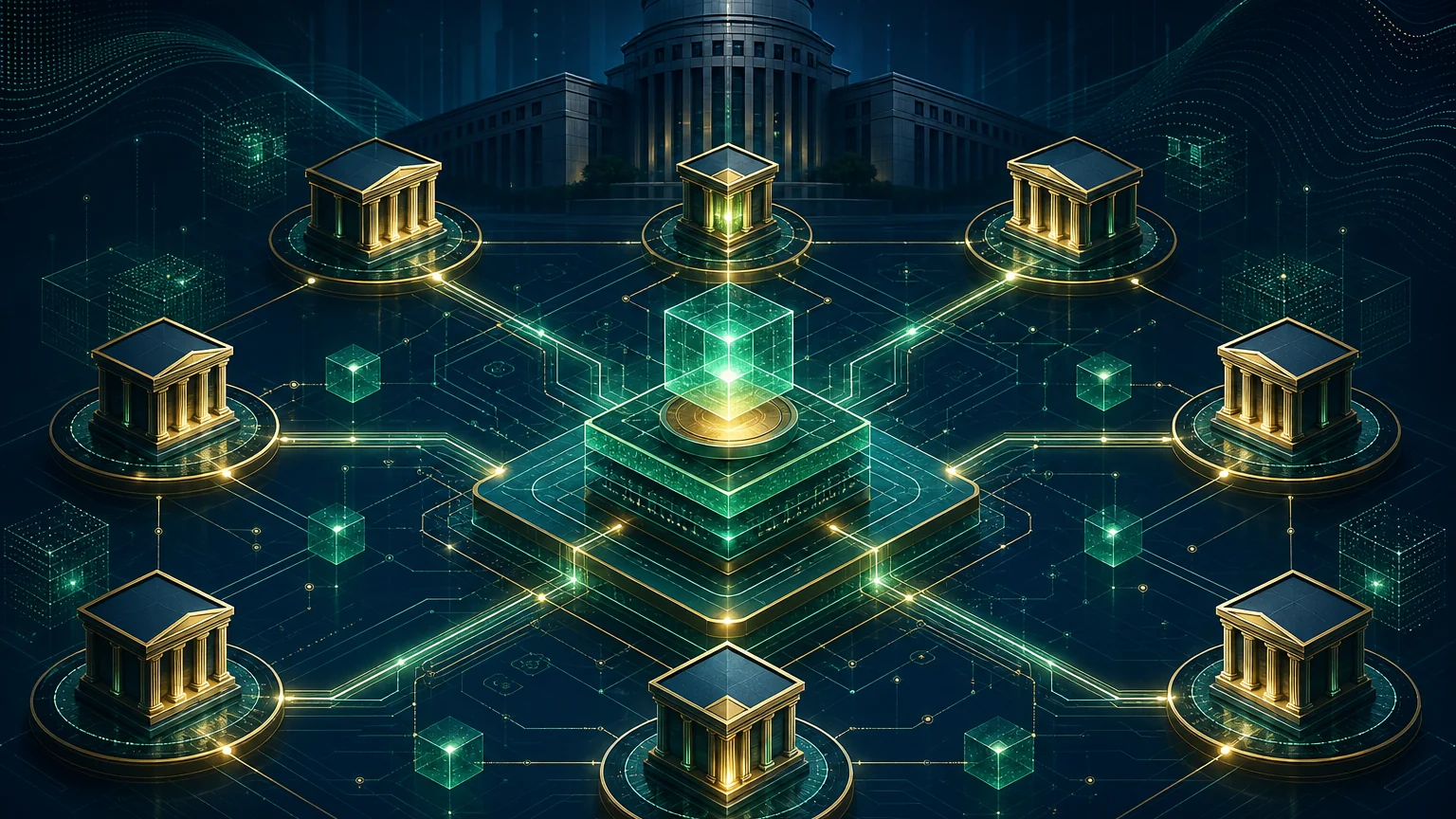
South Korea's central bank digital currency pilot will test live transactions with nine banks. For readers, the bigger issue is who controls digital money rails.

World Gold Council data shows global gold ETFs lost $8.9 billion in June, but first-half flows stayed positive. Here is what that says, and what it does not say.
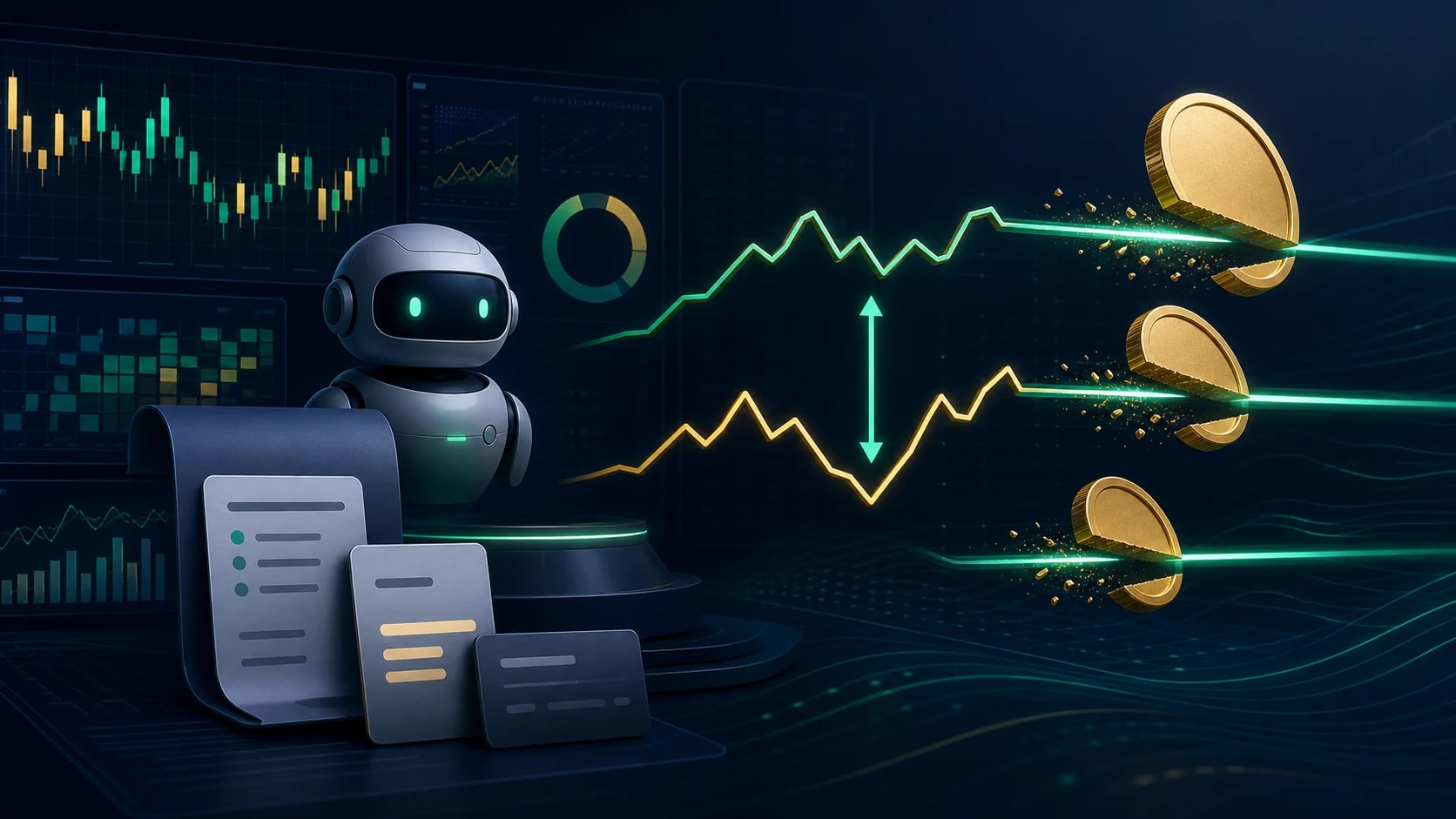
AI trading bots have to beat more than the market. Subscriptions, spreads, taxes, and trading costs can eat the edge before an investor sees it.

The Federal Reserve's 2025 payments study shows noncash payments hit 236.6 billion in 2024. Cards dominate by count, ACH dominates by value, and checks keep fading.

Polymarket traders cut the odds of the Clarity Act passing this year. Here is what that does, and does not, tell crypto investors about regulation risk.
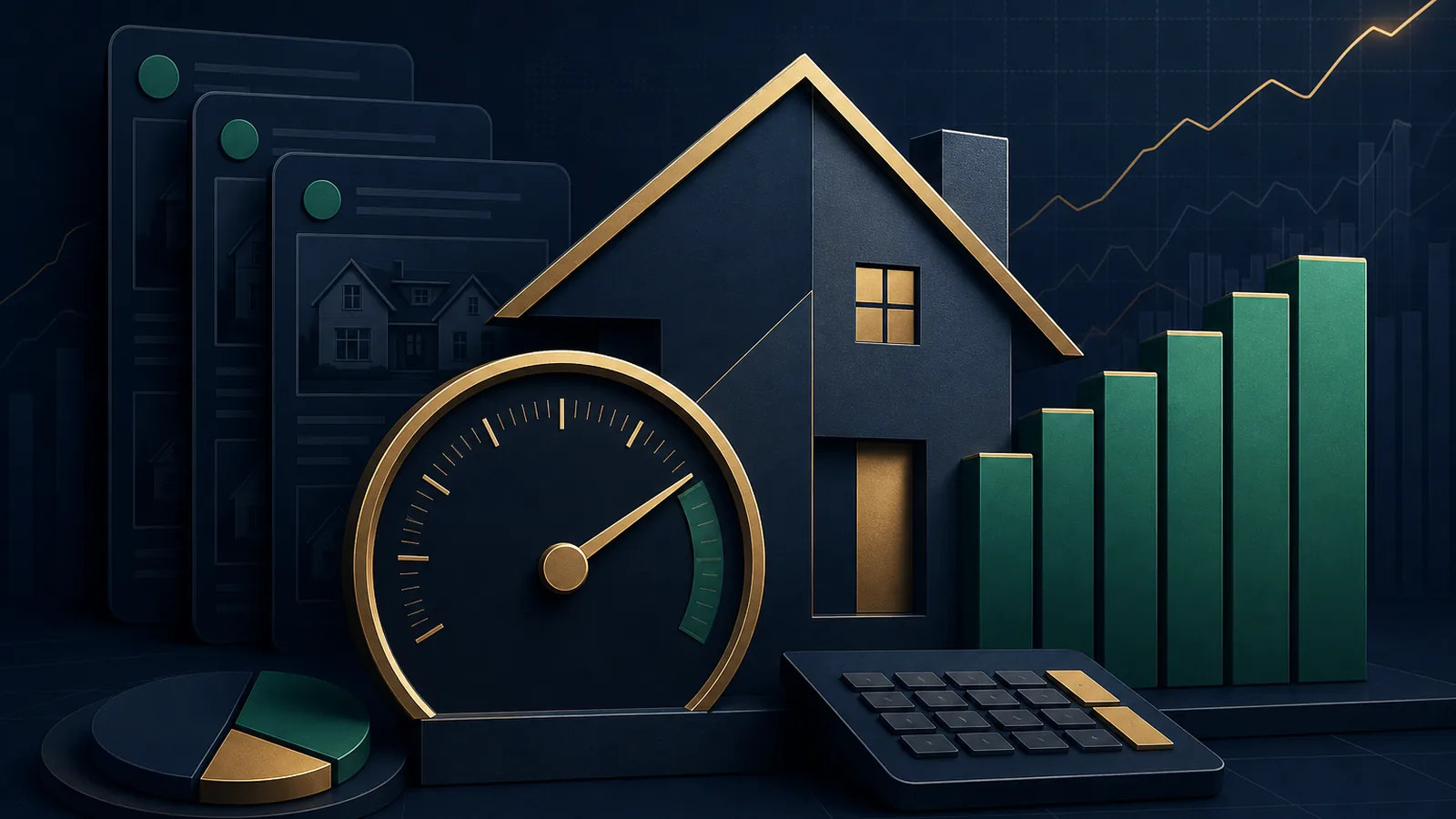
Freddie Mac says the 30-year fixed mortgage rate averaged 6.55%. More inventory may help buyers, but affordability still comes down to the monthly payment.

CoinDesk reported heavy early activity on Robinhood Chain, but much of the action has centered on speculative memecoins rather than tokenized assets. Here is the risk check.
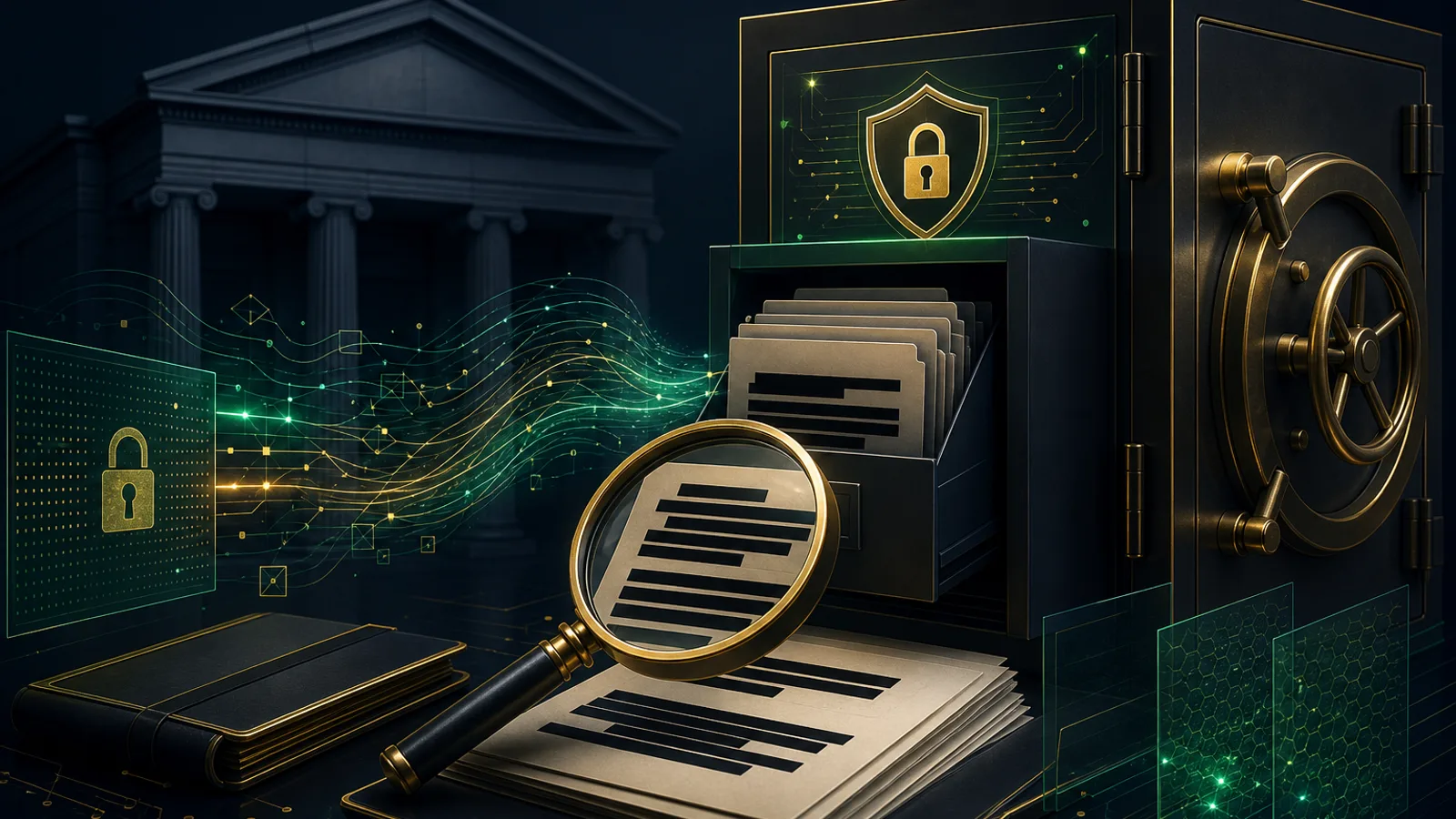
Federal bank regulators issued a joint statement on highly sensitive information during bank examinations. Here is why the back-office rule matters for ordinary depositors and investors.

CoinDesk reported Bitcoin slipping near $63,000 as a global chip selloff hit risk assets. Here is why crypto can trade like part of the AI-risk complex.

The SEC proposed Regulation E-Delivery, which could make electronic delivery the default for many investor documents while keeping a paper opt-out. Here is the plain-English version.

CoinDesk reported on a new open standard effort for AI-agent payments backed by major payments and tech names. The investor story is about payment rails, fees, trust, and control.
CoinDesk reported that Bitcoin options positioning moved from the $80,000 call to the $70,000 call. Here is what open interest can and cannot tell crypto investors.

CoinDesk reported that OFAC added Iran-linked crypto wallets and Tether froze $131 million of USDT. Here is the plain-English risk lesson for stablecoin users and investors.

CoinDesk reported that Bitcoin's rally cooled as investors weighed softer inflation against oil and geopolitical risk. Here is the plain-English risk check for crypto readers.

The Federal Reserve's July 14 discount-rate minutes kept the primary credit rate at 3.75% and mentioned steady hiring, AI, fuel costs, and global uncertainty. Here is the money signal without the Fed-speak.

CoinDesk reported that long-term Bitcoin holders are passing supply to newer buyers while price chops sideways. Here is how to read that without turning it into a prediction.

A JCB and Circle stablecoin-payment pilot shows how crypto rails are being tested for merchants and cross-border payments. The investor takeaway is about infrastructure risk, not hype.

A CoinDesk market column compared AI-chip enthusiasm, precious metals, and Bitcoin-linked trades. The lesson for investors: a real trend can still get priced badly.

The World Gold Council's 2026 mid-year outlook frames gold around scenarios, volatility, real yields, and geopolitical risk. Here is what regular investors can take from it.

Freddie Mac says the 30-year fixed mortgage rate averaged 6.49%. Here is why a mid-six percent rate can still change affordability, even when the weekly move looks small.
The Federal Reserve and other agencies want some payment stablecoin issuers to run customer identification programs. Here is the plain-English version for crypto users and investors.

Higher Treasury yields can make expensive growth stocks feel less forgiving. Here is the plain-English link between rates, valuations, cash yields and AI-stock expectations.

The S&P 500 and Nasdaq-100 can both give investors exposure to big technology and AI names, but they are not the same bet. Here is how to read the difference without turning an index into a stock tip.

The June FOMC minutes showed elevated inflation, higher expected policy rates, and no quick green light for rate cuts. Here is what that means for savers, borrowers, and market watchers.
The SEC updated FAQs for municipal advisor registration and recordkeeping. The change is technical, but the investor takeaway is simple: know who is giving bond-market advice and what incentives sit behind it.
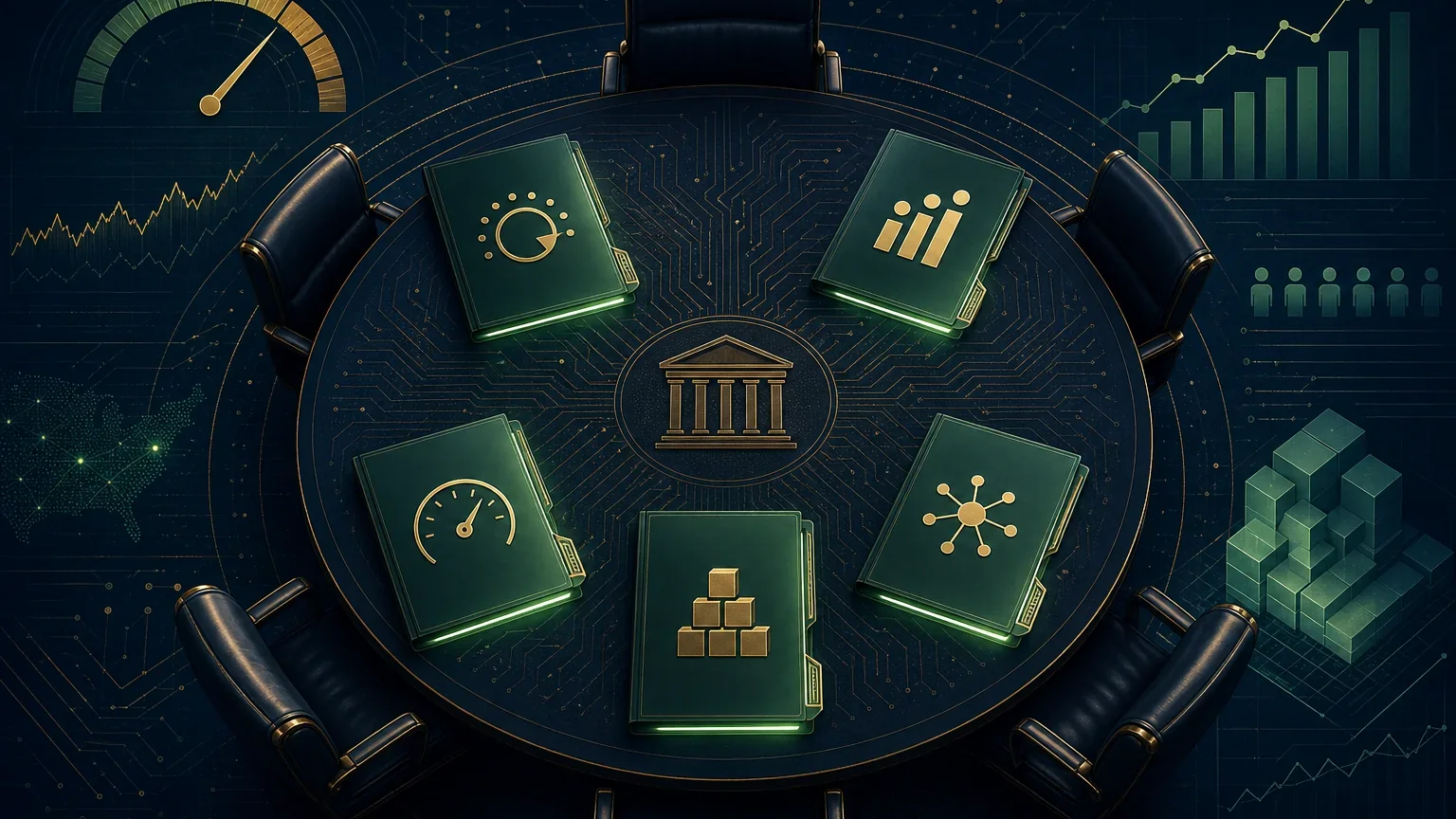
The Federal Reserve named five task forces on communications, balance sheet policy, data, productivity and jobs, and inflation frameworks. Here is what that means for rates, markets, and ordinary money decisions.

The SEC will host a virtual roundtable on modernizing IPOs and public-market access. Here is what regular investors should watch before treating more listings as automatically good news.

Real Treasury yields can change the opportunity cost of holding gold. Here is the plain-English version, with FRED and gold-market source links.

Silver can behave like a precious metal and an industrial input at the same time. That mix helps explain why silver prices often swing harder than gold.

Securitize reportedly slid after its public-market debut even as tokenization stayed hot. That gap is a useful reminder that a theme and a stock are not the same thing.

A reported push by Kraken for a European banking license shows how crypto exchanges are moving closer to traditional finance. That can add protections, but it does not erase crypto risk.
Chip and data-center stocks can post huge gains and still disappoint investors if expectations run too far ahead. Here is how to read the AI-infrastructure wobble without making a stock call.
The Federal Reserve wants comments on bank anti-money-laundering program changes. Here is what the proposal means for bank supervision, customers, and fraud-risk headlines.
The SEC formed a Retail Fraud Working Group. For everyday investors, the lesson is simple: pressure, promises, and AI buzzwords deserve a second look.

A reported BONK-linked treasury drain is a useful reminder that token governance can fail in ways ordinary holders may not expect.

A new bitcoin covered-call product shows how crypto yield is moving into options-style strategies. The income pitch is simple; the trade-offs are not.

Freddie Mac says the 30-year fixed mortgage rate eased to 6.43%. Here is how a small rate move can affect affordability without turning one weekly quote into a housing forecast.

An AI tool can publish or surface the wrong thing with confidence. For crypto users and investors, that is not a funny edge case. It is a risk-control lesson.

A falling Sharpe ratio can make Bitcoin's ride look less efficient on a risk-adjusted basis. That does not make it a buy or sell signal by itself.

The SEC proposed rescinding parts of Regulation NMS. For regular investors, the useful question is how stock orders get routed, filled, and priced.

AI infrastructure earnings can reveal demand for chips, cloud capacity, data centers, and power. The hard part is separating real growth from expectations that already got priced in.

A corporate Bitcoin treasury can boost upside in a crypto rally, but it can also add refinancing, liquidity, and forced-selling risk when markets turn.

Crypto sanctions do not only matter to bad actors. They can affect exchanges, wallets, liquidity, compliance checks, and ordinary users who touch risky counterparties.

Central-bank gold buying is about reserves, trust, liquidity, and diversification. Here is what regular gold investors should take from the trend without turning it into a price forecast.

Tokenization can make finance faster, but investors still need to understand ownership rights, custody, liquidity, counterparty risk, and regulatory protections.

Federal Reserve stress tests are designed to examine whether large banks can keep lending through severe downturns. Here is how to read them without overreacting.

Large Bitcoin-holder activity and ETF flows can shape market narratives, but they are not clean forecasts. Here is what readers should watch.

Gold ETF flows can reveal investor demand, but they are only one part of the bullion market alongside central banks, jewelry, bars, coins, the dollar, and real yields.
Even a modest mortgage-rate move can change affordability. Here is how rates, loan size, and term interact, plus where to check official rate data.

A weak jobs report can move rate expectations, Treasury yields, stocks, Bitcoin, and gold. Here is a plain-English framework for reading the data without treating one report as a forecast.
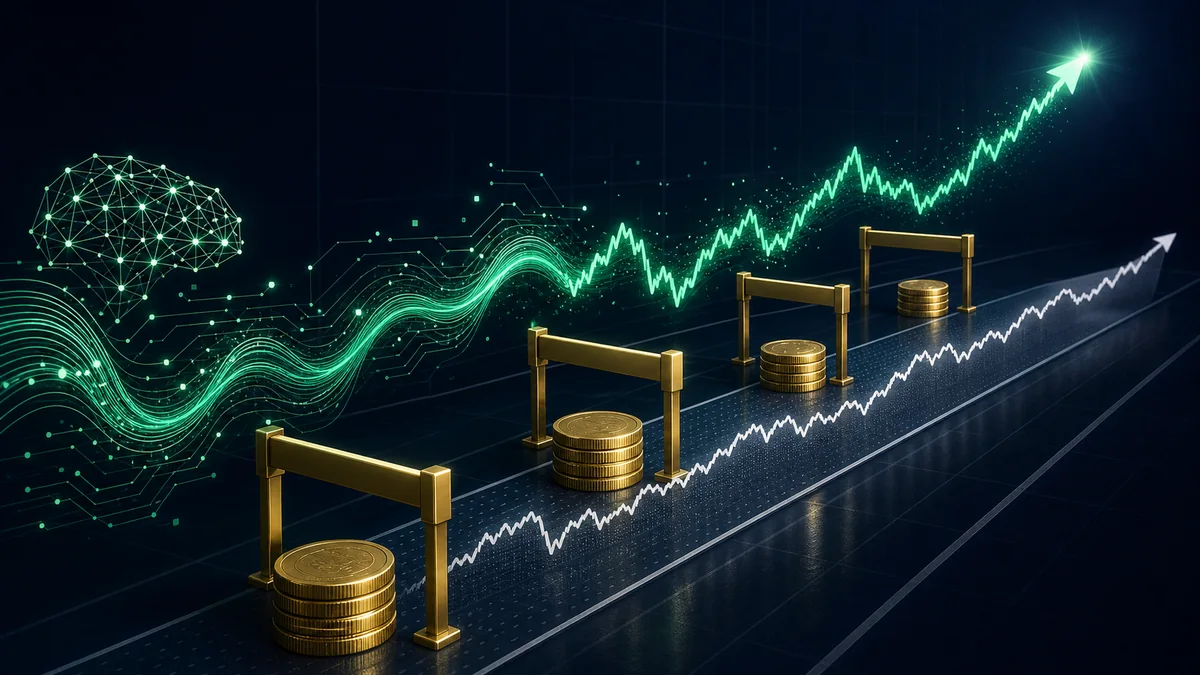
AI stock pickers can help with research, but beating a benchmark after fees, taxes, turnover, and risk is a higher bar than a good-looking watchlist.

Federal banking agencies released the 2026 list of distressed or underserved nonmetropolitan middle-income geographies. Here is the educational angle for consumers and community-bank watchers.
The Federal Reserve's initial 2025 payments study findings are a reminder that payment habits, fraud controls, and digital rails matter for consumers, banks, fintechs, and crypto narratives.
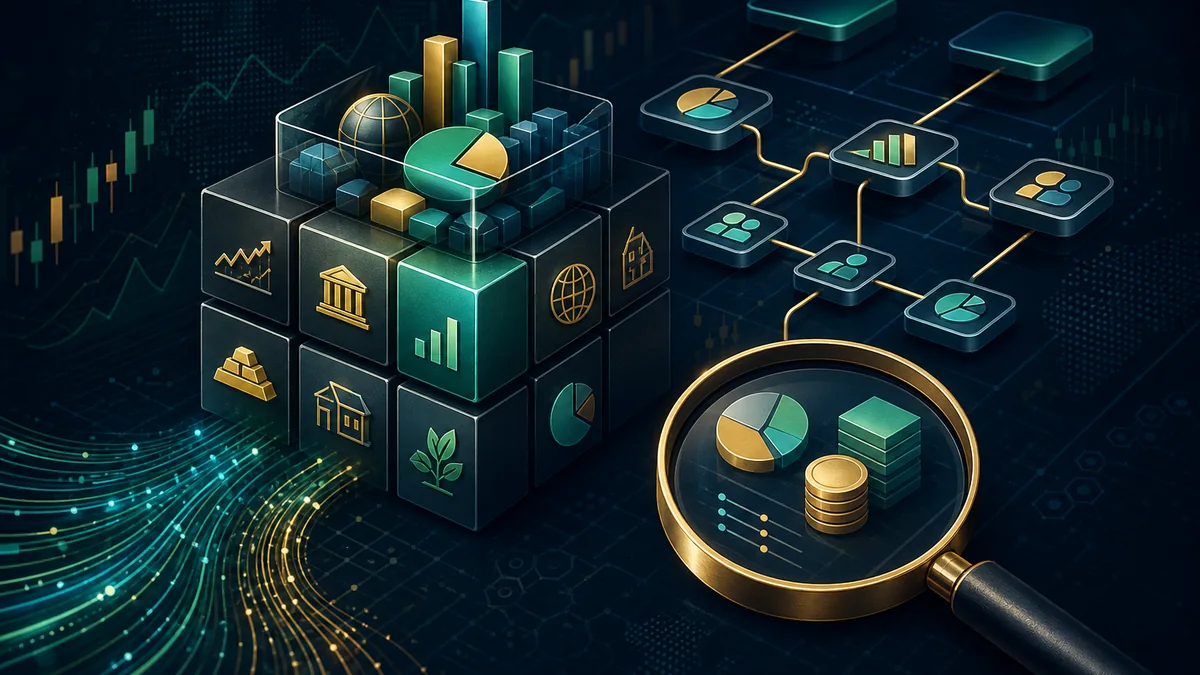
The SEC is seeking public comment on ETFs that use innovative asset classes or novel strategies. Here are the questions investors can ask before treating a new ETF as simple.

The SEC and CFTC are seeking comment on harmonizing portfolio margining frameworks. Here is why margin rules matter for risk, leverage, and ordinary investors.
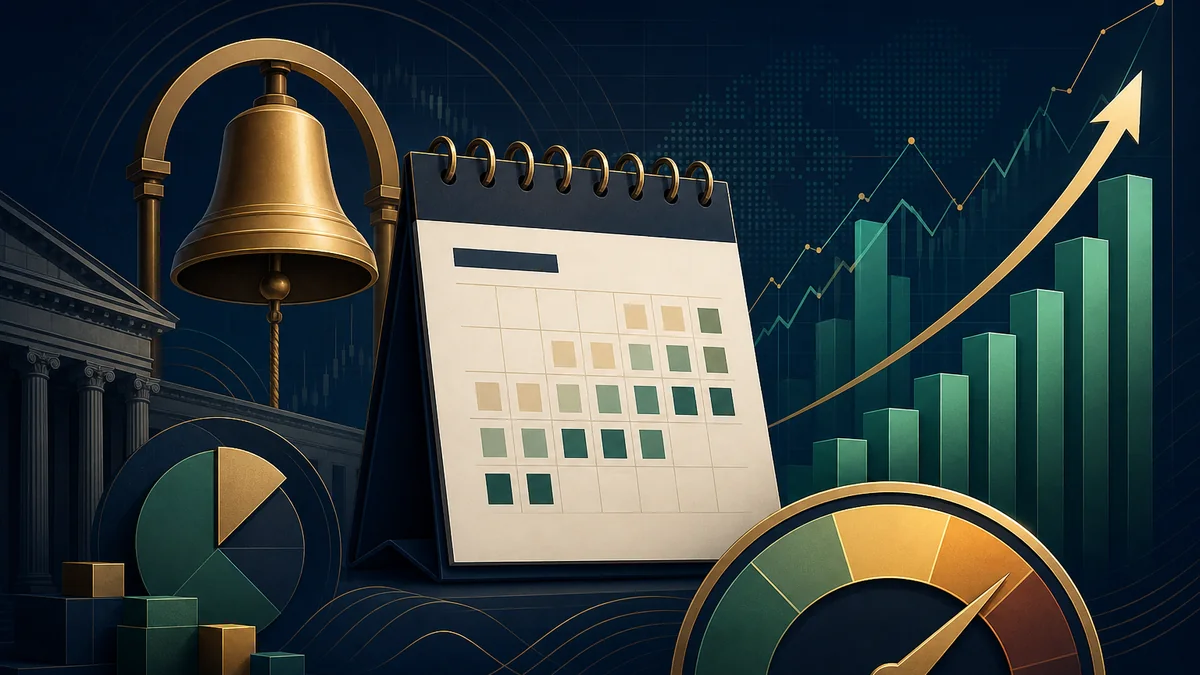
The SEC published updated market statistics highlighting an increase in IPOs and proceeds raised. Here is how readers can interpret that without treating it as a market forecast.
There is no single best AI stock picker for everyone. Compare data quality, transparency, fees, benchmarks, custody, and risk controls before trusting an app.

AI stock picker apps can screen, rank, and summarize investments, but they cannot guarantee returns. Use this evidence-based checklist before paying for one.